
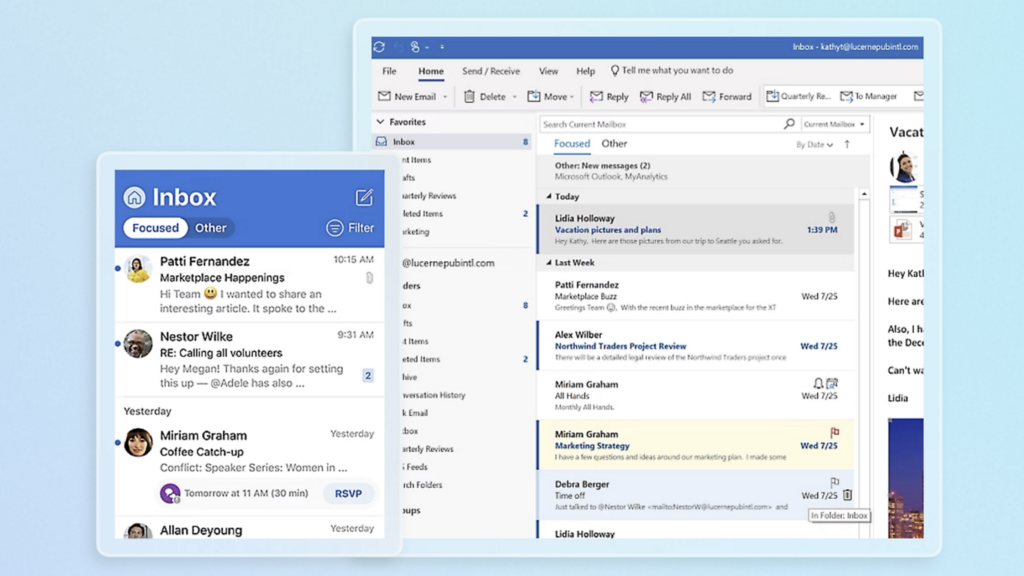
Microsoft 365 is one of the most widely used email platforms in business today. It offers reliable hosting, strong productivity tools, and a familiar interface that employees already know how to use.
Because of that reputation, many organizations assume their email environment is already fully secure once Microsoft 365 is set up. Unfortunately, that assumption is not always accurate.
Many businesses subscribe to entry-level Microsoft 365 plans that provide standard email functionality but lack important security and encryption capabilities. Without realizing it, organizations may be sending sensitive information through systems that are not fully protected.
If you’re evaluating how encrypted communication should work within your organization, the Email Encryption for Small Business: Complete Implementation Guide explains the full strategy behind securing business email.
Understanding the limitations of basic Microsoft 365 subscriptions is an important part of that process.
What “Basic” Microsoft 365 Email Plans Actually Include
Entry-level Microsoft 365 plans are designed primarily for productivity and collaboration. They provide access to Outlook email, cloud storage, and core Office applications.
These plans usually include basic security features such as spam filtering and standard connection encryption. Messages are protected during transmission using protocols like TLS, which encrypt the connection between email servers.
However, this type of encryption only protects the message while it is traveling between systems. Once the message reaches a mailbox, the content may no longer be encrypted.
For businesses that regularly exchange sensitive information, this level of protection may not be enough.
The Difference Between Transmission Encryption and Message Encryption 
One of the most common misunderstandings about Microsoft 365 email security involves the difference between transmission encryption and full message encryption.
Transmission encryption protects the connection between email servers while the message is being delivered. This prevents attackers from easily intercepting the message during transit.
However, once the message reaches the recipient’s mailbox, the content may be stored in a readable format. If the mailbox becomes compromised, the message content could be accessed.
Message-level encryption protects the email content itself, ensuring that only authorized recipients can read the message even if the mailbox is compromised.
Businesses looking to strengthen this layer often explore how to implement email encryption in Microsoft 365 using built-in encryption tools and policy controls.
Missing Security Features in Entry-Level Plans
Another hidden risk of basic Microsoft 365 email subscriptions is the absence of advanced security tools.
Higher-tier plans include additional protections such as advanced threat detection, data loss prevention policies, and automated encryption triggers.
Without these features, organizations may rely heavily on employees to recognize sensitive information and apply security measures manually.
Human error is one of the most common causes of data exposure, which is why automated security policies are so valuable.
Businesses operating in regulated environments may face even greater risks when these protections are missing, especially when dealing with compliance requirements for email security in regulated industries.
 Compliance Challenges
Many industries must follow strict rules about how sensitive information is transmitted and stored. Healthcare providers, financial organizations, and legal firms frequently exchange confidential data through email.
Basic email plans may not include the compliance features necessary to meet these requirements.
For example, organizations may need encryption policies that automatically trigger when certain types of information appear in a message. They may also need audit logs or data protection controls that monitor email activity.
Without these tools, maintaining regulatory compliance becomes much more difficult.
Increased Risk of Data Exposure
When encryption and security policies are not fully configured, sensitive information may be transmitted through email without adequate protection.
Employees may attach documents containing financial records, personal data, or confidential agreements without realizing the message is not properly encrypted.
If that email is forwarded, intercepted, or accessed by an unauthorized user, the exposed information could create legal, financial, or reputational consequences for the organization.
Strong email security policies help reduce these risks by ensuring sensitive communication is always protected.
Why Many Businesses Outgrow Basic Plans 
Entry-level Microsoft 365 subscriptions are often a good starting point for small organizations. However, as businesses grow and begin handling larger volumes of sensitive information, their security needs evolve.
Companies may require automated encryption policies, advanced phishing protection, and stronger monitoring capabilities.
Upgrading security features allows organizations to build a more complete email protection strategy without disrupting their existing workflow.
In many cases, businesses begin evaluating their communication security more closely after implementing encrypted email or secure document sharing systems.
These conversations often lead to broader discussions about encryption policies, secure portals, and the best ways to protect sensitive communication.
Strengthening Microsoft 365 Email Security
Businesses that rely on Microsoft 365 can significantly strengthen their email security by enabling additional features and reviewing their licensing options.
Implementing automated encryption policies ensures that sensitive messages are protected without relying on manual intervention. Multi-factor authentication can also prevent unauthorized access to email accounts.
Regular security reviews help organizations identify gaps in their email protection strategy before they become real vulnerabilities.
While basic Microsoft 365 plans provide a strong foundation, organizations that exchange sensitive information should evaluate whether their current configuration truly meets their security needs.
Your email system is one of the most common entry points for cyber-attacks. Making sure it’s properly secured is essential for protecting your business, your data, and your clients. Click the button below to book a consultation with our cybersecurity experts and see how we can help strengthen your email security.