
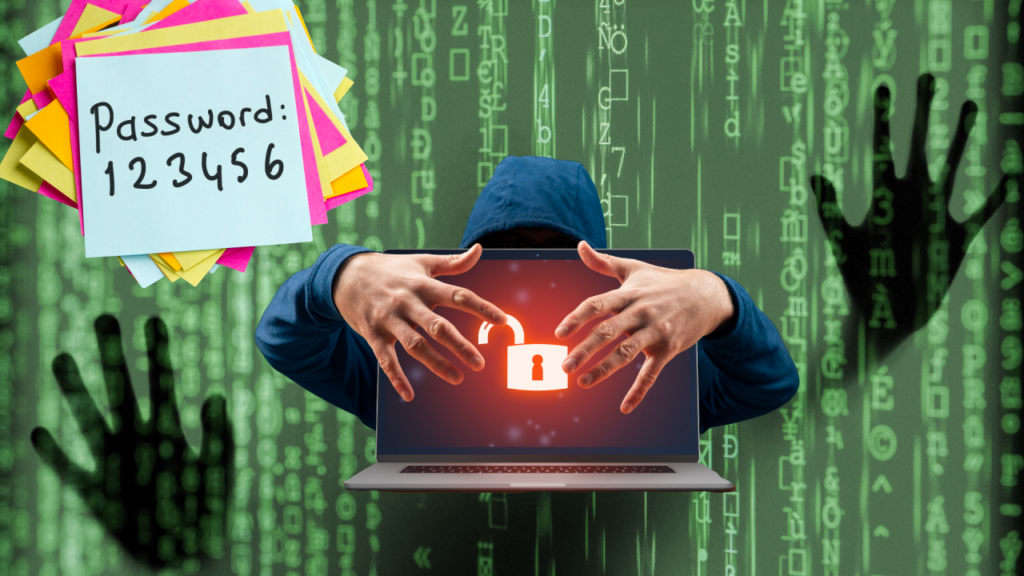
Standard email was never designed to be private. Without proper encryption, email messages can potentially be intercepted, accessed by unauthorized parties, or exposed if an account is compromised. For small businesses handling sensitive client data, that creates a real security risk.
Email encryption helps solve that problem by protecting the contents of a message so only the intended recipient can read it. Even if the email is intercepted during transmission or accessed by the wrong person, the encrypted content remains unreadable.
Considering this: email is still the default communication tool for most businesses. Contracts are sent over it. Invoices are shared through it. Customer records, employee information, vendor discussions, and sensitive documents move back and forth through inboxes every day.
Most business owners assume their email is already secure. After all, platforms like Microsoft 365 or Google Workspace feel reliable and professional. If spam is filtered and the login requires a password, it must be safe… right?
Not quite.
This guide walks through how email encryption works, why it matters for small businesses, and how to implement it properly. We’ll also explore common mistakes organizations make when securing email and how to avoid them.
What Is Email Encryption? 
Email encryption is a method of protecting email messages by converting their contents into coded data. Only someone with the correct decryption key can convert that coded message back into readable text.
Without encryption, emails travel across the internet in ways that can potentially be accessed or inspected at multiple points along the route. With encryption in place, the email content becomes scrambled and unreadable to anyone who does not have the proper authorization.
Encryption can protect several parts of an email including the message body, attachments, and sometimes the subject line depending on the system being used.
For businesses that regularly exchange sensitive documents or confidential discussions, encryption acts as a digital lock protecting those communications.
Why Email Encryption Matters for Small Businesses
Large enterprises often have dedicated cybersecurity teams managing communication security. Small businesses typically rely on default email configurations and assume those protections are enough.
Unfortunately, that assumption is one of the reasons small organizations are frequently targeted by cybercriminals. Attackers know that smaller companies often lack advanced email security policies or encryption systems.
Everyday business emails often contain information that attackers would love to access. This might include customer records, financial details, contract negotiations, or internal company data.
If a mailbox is compromised or an email is intercepted, the information inside that message could be exposed. Encryption dramatically reduces that risk by making the content unreadable without authorization.
It also helps businesses demonstrate that they take data protection seriously, which builds trust with customers and partners.
 Email Security vs Email Encryption
Many organizations believe their email is secure simply because it includes spam filtering or antivirus scanning. While those tools are important, they are only part of the overall security picture.
Email security is a broad category that includes protections such as spam filtering, phishing detection, malware scanning, and email authentication technologies. These tools focus on preventing malicious emails from entering your inbox.
Email encryption focuses on something different. It protects the actual contents of the message being sent.
Think of it this way. Email security protects the mailbox itself, while email encryption protects the letter inside the mailbox.
Both layers are important. Without encryption, sensitive information inside legitimate emails can still be exposed even if your inbox is protected from spam or malware.
How Email Encryption Works
When an email is encrypted, the message content is converted into a coded format using cryptographic algorithms. This process ensures that anyone intercepting the message during transmission will only see unreadable data.
When the intended recipient receives the message, their email system uses the appropriate key to decrypt the message and display the original content.
Encryption systems rely on different methods for managing these keys. Some systems use shared encryption keys between sender and recipient, while others use public and private key pairs.
The key management process is what determines how secure and practical the encryption solution will be for a business environment.
Modern email platforms often automate much of this process so employees can send encrypted messages without needing to understand the technical details behind it.
Types of Email Encryption 
Email encryption can occur at different stages of the message delivery process. Understanding these differences helps businesses choose the right solution for their communication needs.
One common method is transport encryption. This type of encryption protects emails while they are traveling between mail servers. Technologies like TLS encrypt the connection between servers so messages cannot easily be intercepted in transit.
However, once the email reaches the recipient’s mailbox server, the message may no longer be encrypted. If that mailbox becomes compromised, the message could still be accessed.
Another method is end-to-end encryption. With this approach, the message remains encrypted from the moment it is sent until the recipient decrypts it. Even the email provider cannot read the contents of the message.
Message-level encryption is another approach often used by business email platforms. In this case, the content of the message itself is encrypted regardless of how it is stored or forwarded later.
Each approach provides different levels of security and convenience, which is why businesses often combine multiple methods within their email systems.
Common Email Encryption Technologies
Several encryption technologies are widely used in business environments. Each has its own strengths and challenges depending on the size and technical expertise of the organization.
S/MIME is one of the oldest email encryption standards. It uses digital certificates issued by trusted authorities to encrypt and digitally sign email messages. While it provides strong security, managing certificates across a company can become complicated.
PGP, or Pretty Good Privacy, is another widely respected encryption technology. It relies on public and private key pairs to secure communications. Although highly secure, it requires users to manage keys carefully, which can be challenging for organizations without technical support.
Many businesses today rely on integrated encryption tools provided by their email platforms. Services like Microsoft 365 include built-in encryption capabilities that can automatically protect messages based on predefined policies.
These built-in tools often provide the best balance between strong security and ease of use for small organizations.
 Email Encryption and Secure Communication Alternatives
While encrypted email is an essential security layer, some organizations also use secure document portals or encrypted file-sharing platforms. These tools allow businesses to send clients a secure link where documents can be accessed instead of attaching files directly to an email.
Both approaches have advantages depending on the type of information being shared. Email encryption protects everyday communication, while secure portals can provide additional control over document access.
Businesses evaluating these options often explore the differences between encrypted email and alternative communication tools before deciding which approach works best for their workflow.
Industries Where Email Encryption Is Essential
For some organizations, email encryption is not simply a best practice. It is a regulatory requirement.
Industries that handle sensitive personal information must follow strict data protection regulations. Healthcare providers frequently deal with protected patient data, while financial institutions manage highly sensitive financial records.
Legal firms often exchange confidential case documents through email, and insurance companies regularly handle personal client information.
In these environments, sending unencrypted email can lead to serious compliance issues and potential penalties. Implementing encryption policies ensures that sensitive information is protected during communication.
Even businesses outside regulated industries are increasingly adopting encryption simply because the risks of unprotected email continue to grow.
Step-by-Step Guide to Implement Email Encryption 
Implementing email encryption does not have to be complicated. Most small businesses can deploy effective encryption policies using the tools already included in their email platforms.
The first step is understanding the organization’s existing email infrastructure. Businesses should identify the platform they use, the types of data being sent through email, and any current security policies that are already in place.
Once the environment is understood, the next step is identifying which types of information should always be protected. Messages containing financial records, customer data, legal documents, or employee information are obvious candidates for encryption.
After identifying sensitive information categories, the business must select an appropriate encryption solution. Many organizations use the encryption features already built into their email platform, while others choose specialized third-party solutions for additional control.
Once the technology is selected, encryption policies can be configured. These policies automatically apply encryption when certain conditions are met, such as when a message contains sensitive keywords or when it is sent outside the organization.
Automation is important because it removes the burden from employees and ensures encryption is applied consistently.
Testing the system is another critical step. Before deploying encryption across the entire company, organizations should test encrypted messages with different recipients and devices. This ensures that clients and partners can open encrypted emails without difficulty.
Finally, employee awareness plays a major role in successful implementation. Staff should understand when encryption is required and how to send protected messages when needed.
Even the best security technology is ineffective if employees do not know how to use it correctly.
 Common Email Encryption Mistakes
Businesses sometimes implement encryption but fail to achieve the level of protection they expected. One common issue is deploying overly complex systems that employees struggle to use.
If encryption requires multiple manual steps, employees may avoid using it entirely. Automated encryption policies help solve this problem by ensuring protection happens automatically in the background.
Another common mistake is inconsistent policy enforcement. If encryption rules only apply to certain departments or certain types of communication, sensitive messages can still slip through unprotected.
Some organizations also assume their default email plan already includes advanced encryption capabilities. In reality, many entry-level email subscriptions offer only basic protection during transmission.
Without additional configuration or licensing, those plans may not provide full message-level encryption.
Regularly reviewing security policies and email platform capabilities helps ensure that encryption systems are working as intended.
Benefits of Email Encryption for Small Businesses 
When properly implemented, email encryption provides several important benefits for small organizations.
The most obvious advantage is protection of sensitive business data. Encrypted communication prevents unauthorized individuals from reading confidential messages even if they gain access to the email itself.
Encryption also helps build trust with customers and partners. Businesses that take communication security seriously demonstrate professionalism and responsibility when handling sensitive information.
From a risk management perspective, encryption significantly reduces the potential impact of a compromised email account or intercepted message.
Many organizations also adopt encryption as part of broader compliance efforts. Regulations governing financial data, healthcare records, and personal information often require encrypted communication channels.
Finally, implementing email encryption prepares businesses for the future. As cyber threats continue evolving, protecting digital communication will only become more important.
Organizations that build secure communication practices today are far better prepared for the cybersecurity challenges ahead.
Future Trends in Email Encryption
Email encryption technology continues to evolve as organizations demand stronger and more automated protection for business communication. Modern email platforms are increasingly integrating intelligent security features that can identify sensitive information and apply encryption automatically.
Artificial intelligence is beginning to play a role in how sensitive data is detected within messages. Instead of relying solely on predefined keywords or manual classification, AI-powered systems can analyse the context of an email and determine whether the information should be protected.
Another trend is the integration of secure communication environments directly within productivity platforms. Rather than relying on separate encryption tools or external portals, businesses are adopting solutions where encrypted messaging, file sharing, and collaboration happen inside the same system.
Encryption tools are also becoming significantly easier to use. Earlier encryption technologies required manual key management or complex configuration steps. Modern platforms aim to simplify the experience so employees can send protected emails without changing their workflow.
As these technologies mature, email encryption is likely to become a standard feature of business communication rather than an optional security add-on.
Your email system is one of the most common entry points for cyber-attacks. Making sure it’s properly secured is essential for protecting your business, your data, and your clients. Click the button below to book a consultation with our cybersecurity experts and see how we can help strengthen your email security.