
What Exactly Is BEC? 
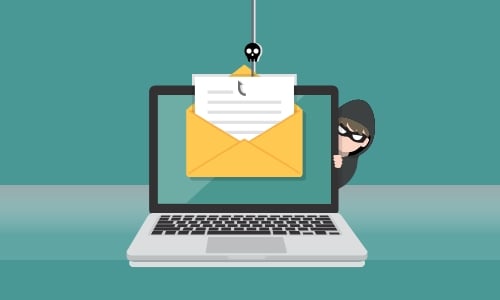
BEC is a sophisticated scam where cybercriminals impersonate executives, vendors, or trusted partners, tricking employees into transferring funds, sharing sensitive data, or approving fake invoices.
Think of it like a magician’s trick: you’re staring right at the email, but the danger is happening somewhere else entirely. Attackers often spend weeks, even months, studying the target organization. They map out reporting lines, observe payment patterns, and identify the perfect moment to strike.
Unlike mass phishing campaigns that spray thousands of emails hoping someone bites, BEC is highly targeted. Every email is crafted to feel personal, urgent, and legitimate. And that’s why it works so well—because it doesn’t look like a scam.
Why BEC Is So Effective
 We’re not talking pocket change. Business Email Compromise has drained billions of dollars globally, and the damage isn’t only financial:
– Reputational harm: Clients and partners lose trust if funds or data are mishandled.
– Operational disruption: Investigating and rectifying fraudulent transactions takes time and resources.
– Regulatory exposure: Mishandled sensitive data could trigger compliance fines.
It’s like a slow leak in a luxury car tire: you don’t notice it immediately, but eventually, the car comes to a grinding halt—and the repair bill is painful.
Signs You Might Be Dealing with a BEC Attack
Spotting BEC isn’t always obvious, but some red flags include:
– Odd timing: Requests for money or sensitive data outside regular business hours.
– Weird urgency: “Send this ASAP” without context or explanation.
– Subtle changes: ceo@yourcompany.com vs. ceo@yourcornpany.com. Tiny differences can go unnoticed.
– “Too good” invoices: Sudden discounts or changes in payment instructions from a trusted vendor.
– Unexpected attachments: Emails asking to open unusual files, even from someone you know.
The key is to train employees to question unusual requests rather than blindly comply.
How Businesses Can Fight Back
While BEC is clever, businesses aren’t helpless. Here’s how to reduce the risk: 
- Verify before you trust: Confirm requests for funds or sensitive data through a separate channel—like a phone call or internal messaging.
2. Educate your team: Employees are your firstline of defense. Regular training on spotting suspicious emails can prevent disasters.
3. Implement layered security: Multi-factor authentication, advanced email filtering, and anti-spoofing protocols (SPF, DKIM, DMARC) make impersonation harder.
4. Audit processes: Regularly review vendor accounts, financial procedures, and approval workflows to catch anomalies.
5. Simulate attacks: Test your employees with fake BEC attempts to see how prepared they are—think of it as a fire drill for emails.
Remember: a strong technical defense is great, but the smartest protection is a team that knows when to stop, question, and verify.